
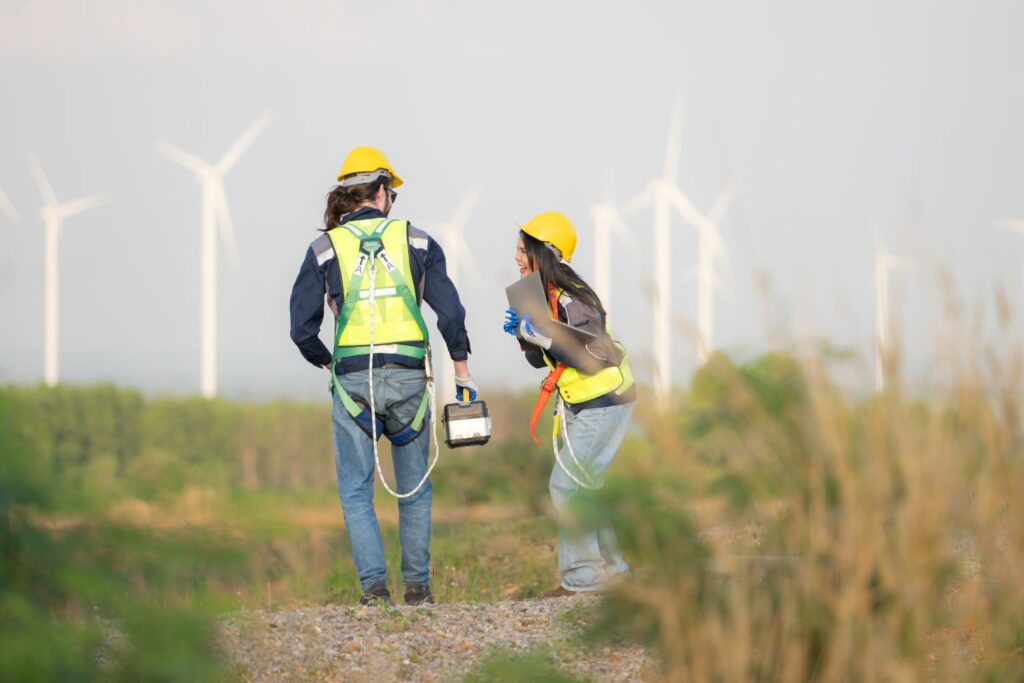
Wind energy is one of the clean energy sources increasingly used to generate electricity. As a renewable resource, it is virtually limitless and does not deplete over time. Wind energy is a compelling alternative energy source, reducing dependency on fossil fuels and cutting costs associated with energy imports. This article explores the potential of wind energy in Thailand and its capabilities for electricity generation.
How Wind Generates Electricity
Wind is created by differences in air pressure and temperature. Harnessing wind for various purposes is relatively straightforward, as natural wind resources can power machinery and generate electricity. Wind energy is clean, abundant, and has low production costs. Examples of wind applications include:
- Windmills: Converting wind energy into mechanical energy for grinding grain, milling rice, or pumping water.
- Propelling boats and ships.
- Wind turbines: Generating electricity, a method widely adopted today due to its environmental friendliness and lack of greenhouse gas emissions.
Wind Energy Potential in Thailand
Thailand is situated near the equator, receiving abundant sunlight and benefiting from distinct types of wind patterns. These can be categorized as follows:
Seasonal Winds
Seasonal winds, or monsoons, are large-scale, regular winds occurring annually during specific seasons. In Thailand, these include:
- Northeast Monsoon: Commonly referred to as the winter monsoon.
- Southwest Monsoon: Known as the summer monsoon.
Annual Winds
Annual winds result from differences in air pressure that occur year-round. When there is less air mass, it creates low-pressure zones where warm air rises. Conversely, areas with greater air mass create high-pressure zones where cool air sinks. This exchange happens consistently throughout the year, forming annual wind patterns.
Daily Winds
Daily winds arise from short-term air pressure changes between two areas. Examples include:
- Valley Winds and Mountain Winds: Caused by temperature changes in high-altitude areas.
- Sea Breezes and Land Breezes: Common in coastal areas, where:
- Sea Breezes occur during the daytime, bringing cooler air from the sea to land.
- Land Breezes happen at night, as cooler air from land moves towards the sea.
Conclusion
Thailand’s geographical location and climate offer diverse wind patterns, highlighting its potential for wind energy utilization. The country benefits from seasonal, annual, and daily winds, which can be maximized for various purposes, including navigation, milling, and electricity generation. Harnessing these natural resources effectively can contribute significantly to the nation’s renewable energy goals.
4o
Related Posts

Environmental Conservation Through Technology: Innovations for a Greener Future
In a world facing significant environmental challenges, technology has emerged…